
-
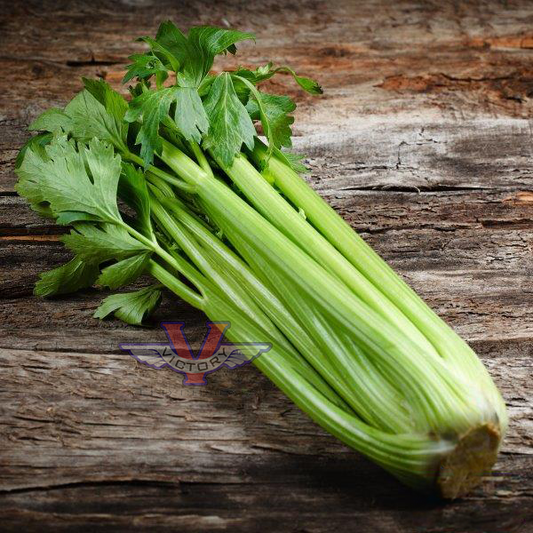
Tall Utah 52-70 Celery
Regular price From $2.75 USDRegular priceUnit price per -
 Sold out
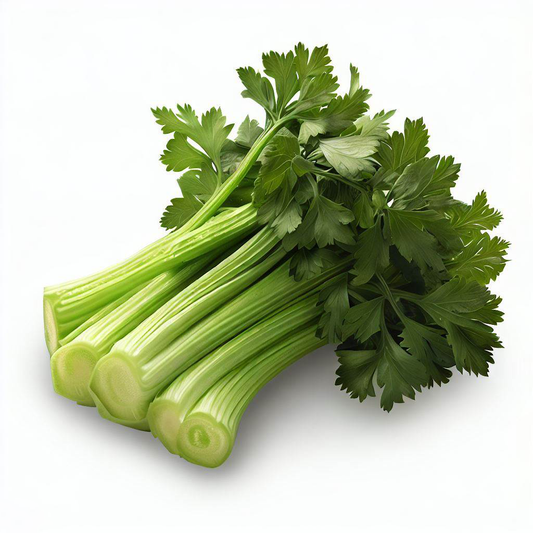
Golden Self Blanching Celery
Regular price $2.75 USDRegular priceUnit price per -
 Sold out
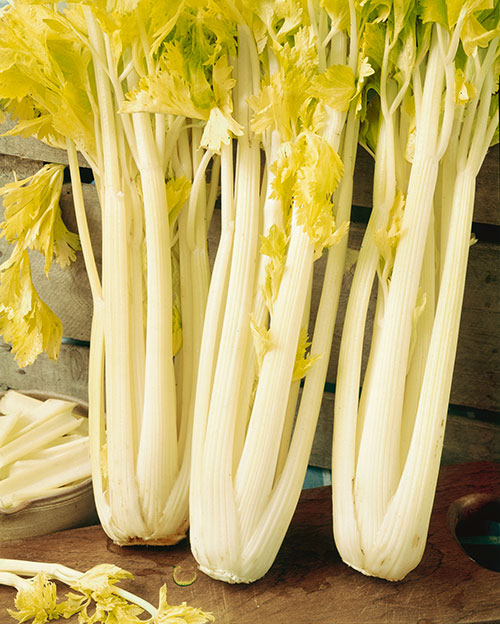
Tendercrisp Celery
Regular price $2.75 USDRegular priceUnit price per -
 Sold out
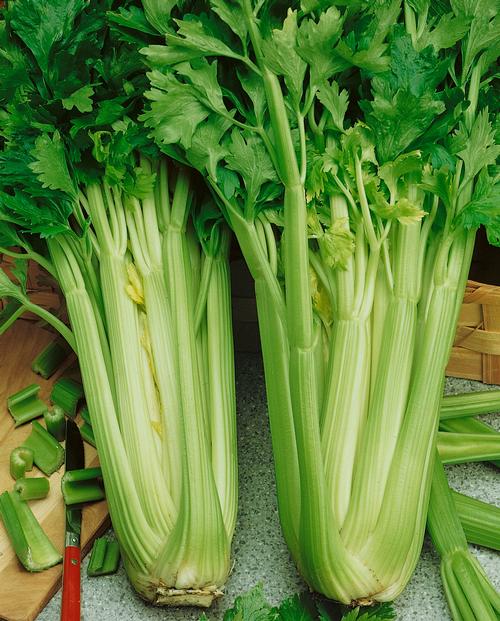
Giant Pascal Celery
Regular price $2.75 USDRegular priceUnit price per



Cultivation: For both celery and celeriac, start transplants indoors from February into April. Germination is affected by the interrelation between temperature and light. Although our seeds generally exceed standards, this species has a naturally low germination rate. The minimum federal germination standard is set at 55% so keep this in mind when planning your garden.
The seeds can germinate with soil temperatures below 50ºF if the temperature is held constant and the seeds are in the dark, however, germination is more predictable at 70ºF when receiving diffused light. Germination at temperatures up to 85ºF can also work if there is a 10-degree difference between day and night temperatures.
Cover the seeds lightly with fine, sterile, seed starting media, keep moist, but not wet. Germination is very slow (sometimes up to three weeks) so be patient. Once the sprouts have one or two sets of true leaves, transplant them into pots.
In late spring, when they are three to five inches tall, after all danger of frost has passed, and temperatures remain above 55ºF, transplant your plants into your garden. Space them twelve inches apart, in rows twelve or more inches apart. Make sure to give them plenty of room to develop and not compete for water and nutrients. They are heavy feeders and like rich, well-drained soil, loaded with organic matter. Hill the plants to blanch and mulch to help maintain moisture.
Considerations: Although not difficult to grow, and we do not want to discourage you, we do want you to be informed so that you have a positive gardening experience.
Both celery, and its cousin celeriac, require consistent soil moisture. Keeping in mind that they require a long period of time to develop and you are raising them through the hottest parts of the year, skip this vegetable if you are not an active gardener! You need to make sure that they receive plenty of regular water and that the soil never dries out.
We make sure that we grow it in soil that has been heavily composted as this provides nutrition but more importantly, helps to hold in moisture. We also employ drip irrigation tape to keep them watered.
If the plants are crowded, if they are in the wrong location or soil, and if they experience periods of dry soil conditions, celery size, taste and texture will be negatively affected and celeriac will focus all of its energy on producing leafy greens and not into developing delicious, swollen root balls.
Harvesting Celeriac: As with many root vegetables, celeriac is at its peak in the fall to early winter depending on your location. Select roots that are somewhere about the size of a medium apple. Too small and there will be little to eat once peeled. Too large, and the flesh tends to become woody and dry.
In areas with mild climates, they should be allowed to remain in the garden and harvested as the develop to a desirable size and used as needed. In areas that experience harsher freezing weather, they should be harvested in the fall and stored in slightly moistened sand or sawdust in a root cellar like you store carrots. The roots will keep three to four months this way. If you are raising them to save seed, they are biennials and therefore flower the second year.
Click here for an interesting treatise on raising celery published in 1898 by A. W. Livingston's & Sons.
The seeds can germinate with soil temperatures below 50ºF if the temperature is held constant and the seeds are in the dark, however, germination is more predictable at 70ºF when receiving diffused light. Germination at temperatures up to 85ºF can also work if there is a 10-degree difference between day and night temperatures.
Cover the seeds lightly with fine, sterile, seed starting media, keep moist, but not wet. Germination is very slow (sometimes up to three weeks) so be patient. Once the sprouts have one or two sets of true leaves, transplant them into pots.
In late spring, when they are three to five inches tall, after all danger of frost has passed, and temperatures remain above 55ºF, transplant your plants into your garden. Space them twelve inches apart, in rows twelve or more inches apart. Make sure to give them plenty of room to develop and not compete for water and nutrients. They are heavy feeders and like rich, well-drained soil, loaded with organic matter. Hill the plants to blanch and mulch to help maintain moisture.
Considerations: Although not difficult to grow, and we do not want to discourage you, we do want you to be informed so that you have a positive gardening experience.
Both celery, and its cousin celeriac, require consistent soil moisture. Keeping in mind that they require a long period of time to develop and you are raising them through the hottest parts of the year, skip this vegetable if you are not an active gardener! You need to make sure that they receive plenty of regular water and that the soil never dries out.
We make sure that we grow it in soil that has been heavily composted as this provides nutrition but more importantly, helps to hold in moisture. We also employ drip irrigation tape to keep them watered.
If the plants are crowded, if they are in the wrong location or soil, and if they experience periods of dry soil conditions, celery size, taste and texture will be negatively affected and celeriac will focus all of its energy on producing leafy greens and not into developing delicious, swollen root balls.
Harvesting Celeriac: As with many root vegetables, celeriac is at its peak in the fall to early winter depending on your location. Select roots that are somewhere about the size of a medium apple. Too small and there will be little to eat once peeled. Too large, and the flesh tends to become woody and dry.
In areas with mild climates, they should be allowed to remain in the garden and harvested as the develop to a desirable size and used as needed. In areas that experience harsher freezing weather, they should be harvested in the fall and stored in slightly moistened sand or sawdust in a root cellar like you store carrots. The roots will keep three to four months this way. If you are raising them to save seed, they are biennials and therefore flower the second year.
Click here for an interesting treatise on raising celery published in 1898 by A. W. Livingston's & Sons.