
Collections
-
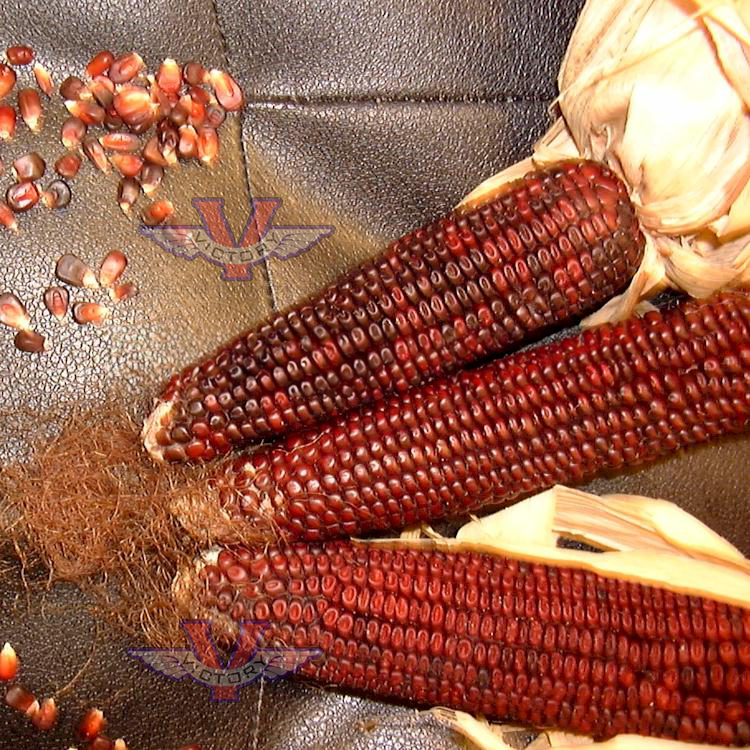
Corn, Dent
Zea mays In Native American lore, maize (or corn as it is...
-
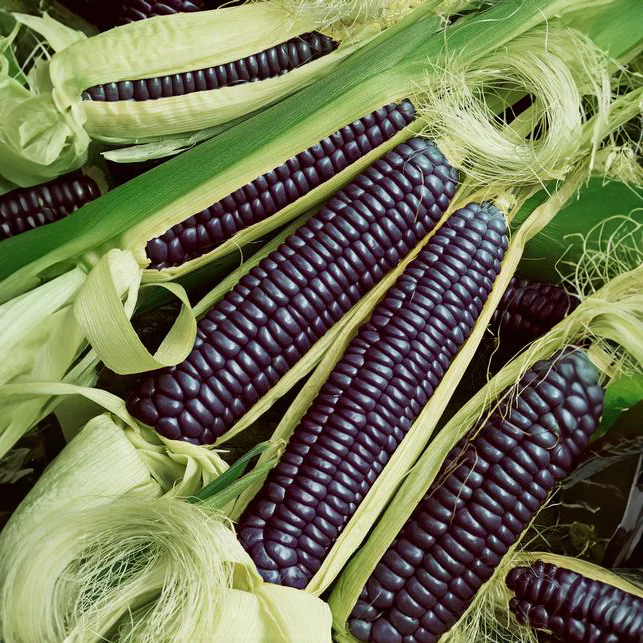
Corn, Flint / Flour
Zea mays In Native American lore, maize (or corn as it is...
-
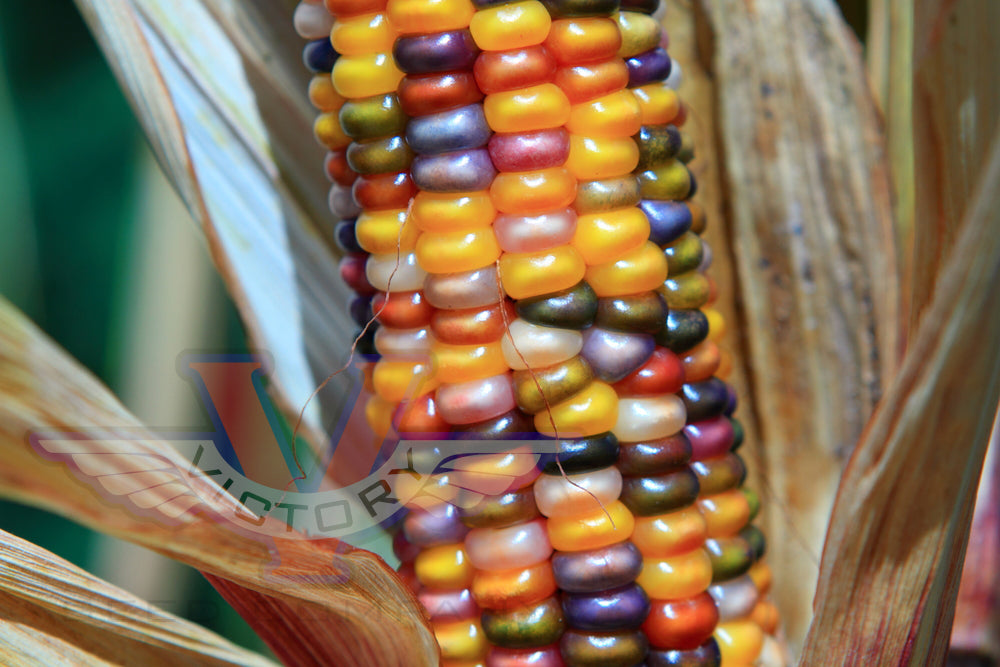
Corn, Popcorn
Zea mays In Native American lore, maize (or corn as it is...
-
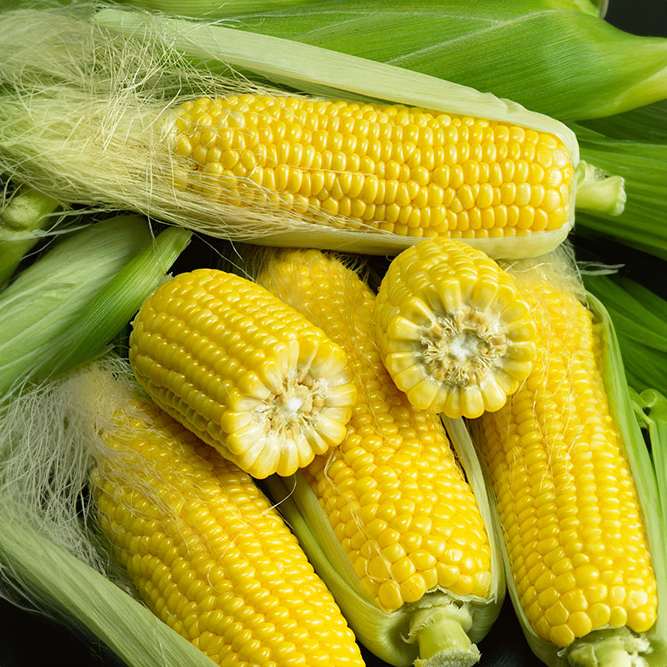
Corn, Sweet Corn
In Native American lore, maize (or corn as it is commonly called...




About Corn (Maize)
Native American corn was the genetic foundation of all other corn varieties. "Indian corn" is rarely grown in the garden today. Columbus was one of the first Europeans to see maize or corn. The Pueblo Indians were raising irrigated corn in the American Southwest when Coronado visited in 1540. The settlers at Jamestown were taught how to raise it in 1608 and in 1620, it helped to keep the Pilgrims alive over winter. Corn cobs were found in Tehucan, Mexico that date back 7000 years.Most people now associate corn for eating with modern sweet corn varieties that incorporate specific genes to increase or enhance sugar quantities and shelf life. Other types of corn can be eaten like sweet corn when it is young, but are usually grown to maturity, dried and used for flour and meal.
Corn is probably the most diverse grain crop. Both man and nature have selected traits that can roughly be classified by the characteristics of their kernels; flint, flour, dent, pop, sweet, and waxy.
Flint corn typically has hard seed coats that with rounded, smooth, kernels consisting of soft starch covered by horny starch[1]. Many Indian corn types are flint type. The are well suited for making good quality corn meal or ground and used for livestock feed.
Dent corn has hard, "flinty" sides composed of horny starch[1], with soft starchy tops and cores that allow the ends to collapse or "dent" when the corn dries. Varieties of dent corn are the most widely grown types in the United States and used for oils, syrups, grits, meals, flours, bio-fuel, silage, and livestock feed.
Flour corn is composed almost completely of soft starch with thin seed coats. Kernels are round and smooth like flint corns. In these modern times, they are primarily used for making corn flour.
Historically however, flour corn was also raised and used for parching. Parching is a process whereby the kernels are dry roasted in an iron skillet, while being constantly stirred over a high heat, until they slightly expand, the seed coat splits, and the kernels become soft. Parched corn was used as a snack or trail provision and could last several months if stored properly. If you are just parching enough to eat as a snack, using a little light vegetable oil and salt to taste enhances the flavor.
You can parch just about any flour, and some flint, corn varieties but some are better suited than others. White and yellow varieties are typically the least flavorful parched. Try using the more colorful varieties as then tend to be neither bland nor strong tasting. Many are sweet with flavors that develop further as they are chewed.
Popcorn is one of the oldest forms of corn and can be generally classified into two types, pearl or rice, based on the physical shape of the kernels. Popcorn usually has small kernels that contain a high percentage of horny starch[1]; even more than flint-types. This causes them to violently burst and expand upon heating.
Sweet corn is presumed to be the result of a natural spontaneous mutation of field corn that occurred sometime before recorded history. Predating the arrival of Europeans in North America, it was cultivated by several Native American groups. A variety named 'Papoon' was raised by the Iroquois, and subsequently by settlers, by 1779.
Two of the oldest surviving white sweet varieties are 'Stowell's Evergreen' and 'Country Gentleman.' The yellow sweet corn Golden Bantam was released in 1902 and has been popular ever since.
Sweet corn is now primarily grown for fresh, canned and frozen consumption and not used for flour or feed. Its genetic makeup is such that it accumulates sugars while the kernels are immature.
By the way, the "baby corn" that you use on salads are simply immature, unfertilized ears that have been harvested and sometimes pickled.
Harvest Tips for Fresh Eating or Processing:
• Knowing when to harvest the perfect ear of corn takes practice! And the peak of perfection comes and goes quickly.
• As you walk your corn patch in the morning, look for ears that have fully filled out and whose silks have turned brown but are not dry.
• If you are still not sure, carefully pull back the husk to expose kernels. Do they look ready? Using your fingernail, squeeze a kernel; milky juice should be observed.
• Older, heritage varieties of do not store well as they quickly become starchy. For the best flavor, cook and eat, or process, as soon after harvesting as possible.
Seed Saving Information:
If you are simply growing corn to eat, you do not need to worry about the corn varieties that you growing intermingling their genetic material in random fashion. You are raising food and not seed.
If, however, you are wishing to save seeds for future planting, considerations must be made to prevent cross-pollination. To maintain the genetic diversity of a cultivar, seed should be collected from a minimum of two hundred (200) plants. Maize uses the wind to distribute its pollen from the tassels of one plant to the developing ears of another.
To maintain the genetic purity of a cultivar, that is, keeping the variety true-to-type, great isolation distances are required. Depending on climate and geographical features in your area, separating varieties by up to one mile is required.
An alternative to isolation distances is hand pollination. It is a time consuming effort but not inherently difficult. Click here for a good tutorial video from the University of Wisconsin on the hand pollination process.
Notes:
[1] The horny starch is found on the back and sides of the grain lying next below the horny gluten. It does not consist of pure starch but contains considerable amounts of other substances, especially protein. In an examination of the grain with the unaided eye. the horny glutenous part and the horny starchy part are not readily distinguished from each other, the line between them being somewhat indefinite and indistinct. Together they constitute the horny part of the grain.
Source: "Maize: Its History, Cultivation, Handling, and Uses . . ." by Joseph Burtt-Davy, page 661, 1914.