
-
 Sold out
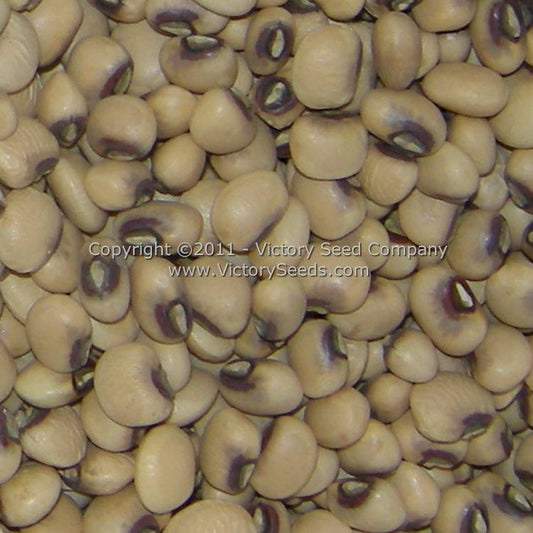
Pinkeye Purple Hull BVR Southern Pea
Regular price From $2.95 USDRegular priceUnit price per -
Texas Cream 40 Southern Pea
Regular price From $2.95 USDRegular priceUnit price per -
 Sold out
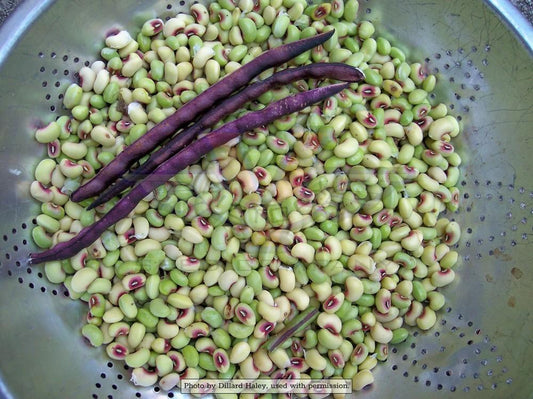
Quickpick Pinkeye Southern Pea
Regular price From $2.95 USDRegular priceUnit price per -
Mississippi Purple Southern Pea
Regular price From $2.95 USDRegular priceUnit price per -
California Blackeye #5 Southern Pea
Regular price From $2.95 USDRegular priceUnit price per -
California Blackeye #46 Southern Pea
Regular price From $2.95 USDRegular priceUnit price per -
Lady Southern Pea
Regular price From $3.25 USDRegular priceUnit price per -
Cream 8 Southern Pea
Regular price From $2.95 USDRegular priceUnit price per -
White Acre Southern Pea
Regular price From $2.95 USDRegular priceUnit price per -
Big Boy Southern Pea
Regular price From $2.95 USDRegular priceUnit price per -
 Sold out
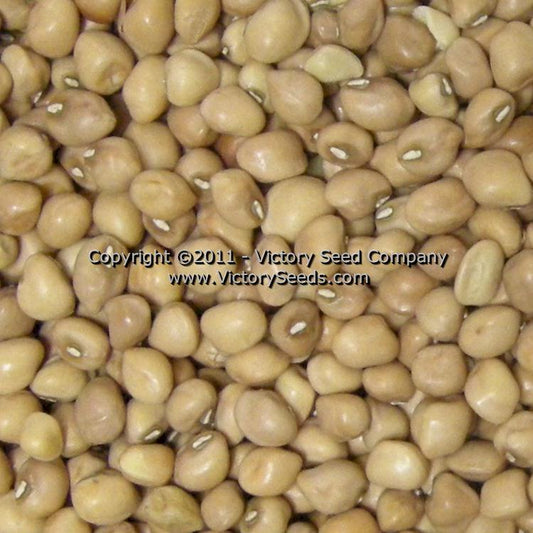
Mississippi Silver Southern Pea
Regular price From $2.95 USDRegular priceUnit price per -
CT Dimpled Brown Crowder Southern Pea
Regular price From $3.45 USDRegular priceUnit price per -
Dixielee Southern Pea
Regular price From $3.45 USDRegular priceUnit price per -
 Sold out
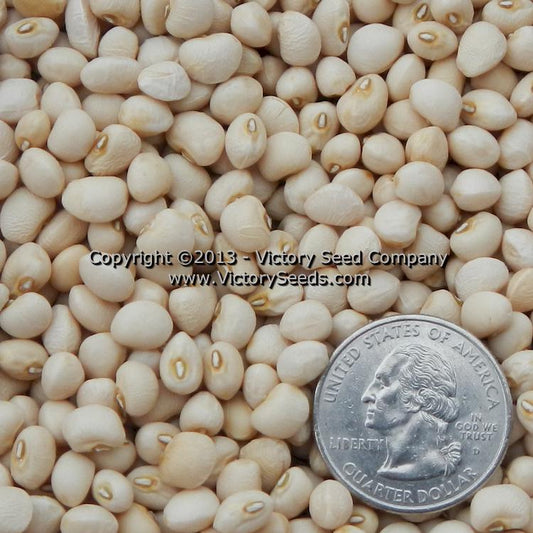
Texas Cream 12 Southern Pea
Regular price From $2.95 USDRegular priceUnit price per -
 Sold out
Knuckle Purplehull Southern Pea
Regular price From $2.95 USDRegular priceUnit price per -
Sadandy Southern Pea
Regular price From $2.95 USDRegular priceUnit price per -
Fagiolino Dolico di Veneto Cowpea
Regular price From $3.95 USDRegular priceUnit price per -
Coronet Southern Pea (Improved Pinkeye Purplehull)
Regular price From $2.95 USDRegular priceUnit price per -
Mayo Speckled Southern Pea
Regular price From $4.25 USDRegular priceUnit price per -
Champion Southern Pea
Regular price From $2.95 USDRegular priceUnit price per -
Elite Southern Pea
Regular price From $3.45 USDRegular priceUnit price per -
Iron & Clay Southern Pea
Regular price From $2.95 USDRegular priceUnit price per -
Chinese Red Southern Pea
Regular price From $2.95 USDRegular priceUnit price per






Growing Information:
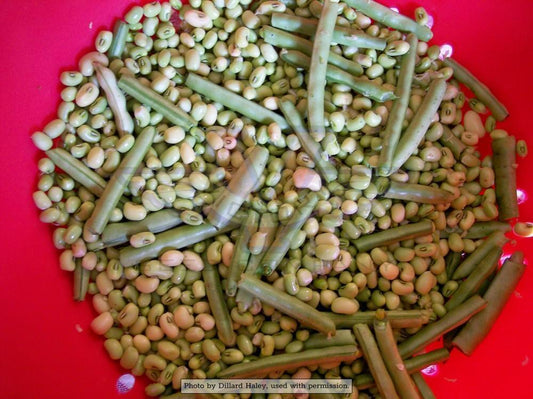
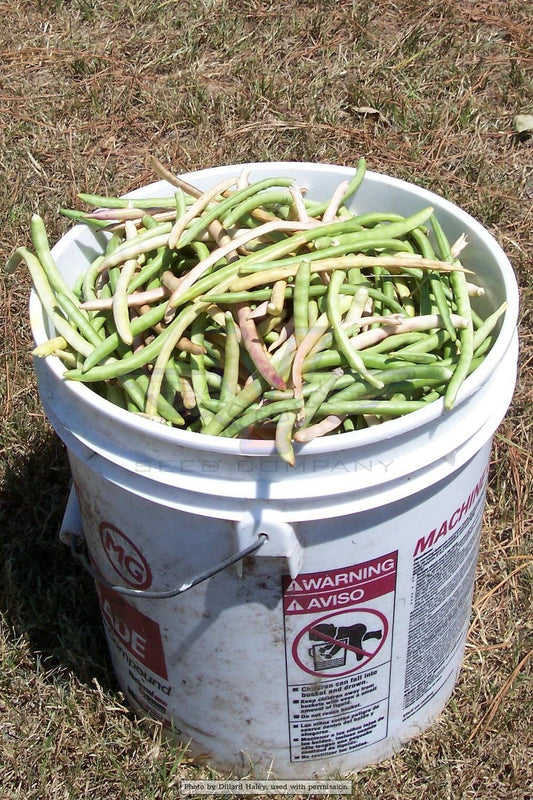
Southern Peas can be planted from May to August, as soon as the soil has warmed to about 65ºF. Most varieties are ready to harvest at the green pea stage in about sixty days and at the dry stage in seventy five to one hundred days. Therefore in most areas, Southern Peas really should be planted in May or June.
Plant four to six seeds per foot, 3/4 to 1-1/4 inches deep in rows twenty to thirty-six inches apart. Control weeds early in the season with shallow cultivation. Later the peas will shade out most weeds. Avoid cultivation after the plants begin to bloom. Irrigation is normally not necessary; southern peas are renowned for their ability to grow and produce under harsh conditions. As a legume, they have the ability to fix their own nitrogen from the air so planting in too rich of soil or fertilizing can cause the plants to keep growing (running) and with pod production greatly affected. Southern peas are self-pollinating with insects, as well as wind, being responsible for moving the pollen to achieve fertilization.
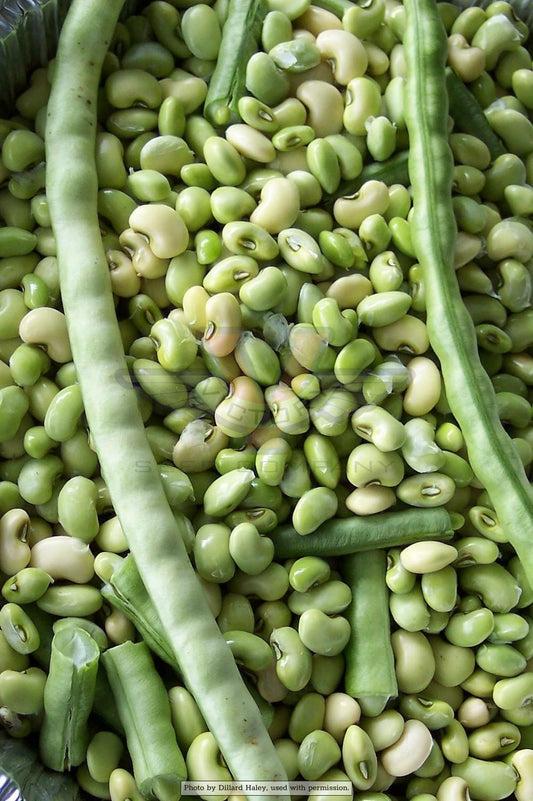
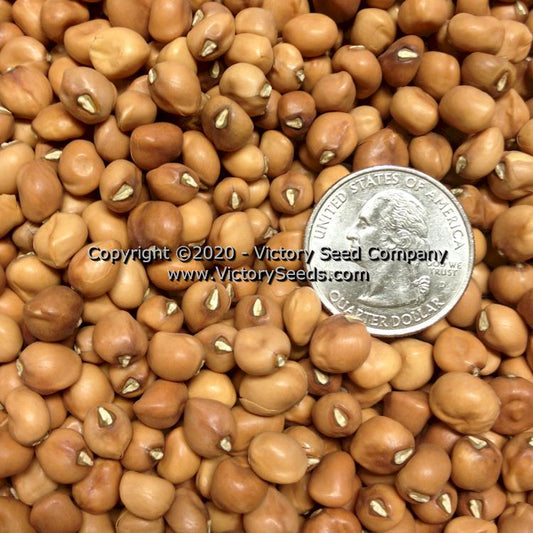
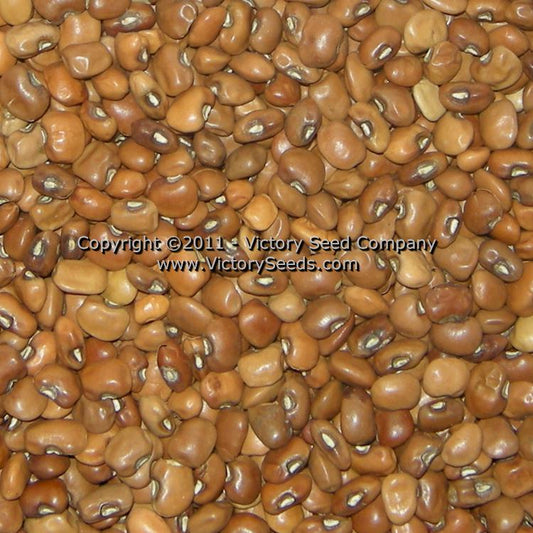
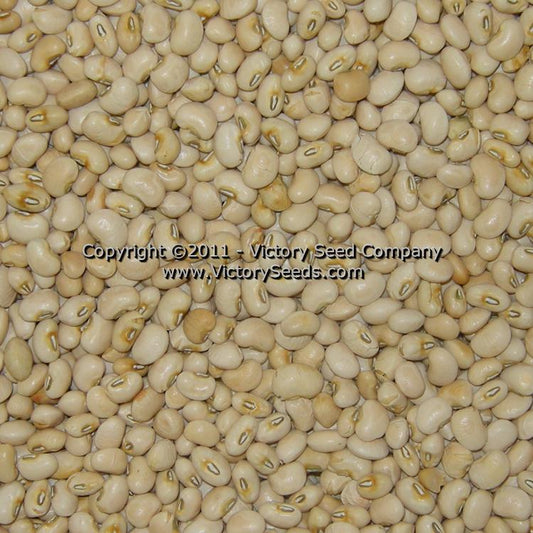
There are several types, groups or categories of Southern Peas. These include:
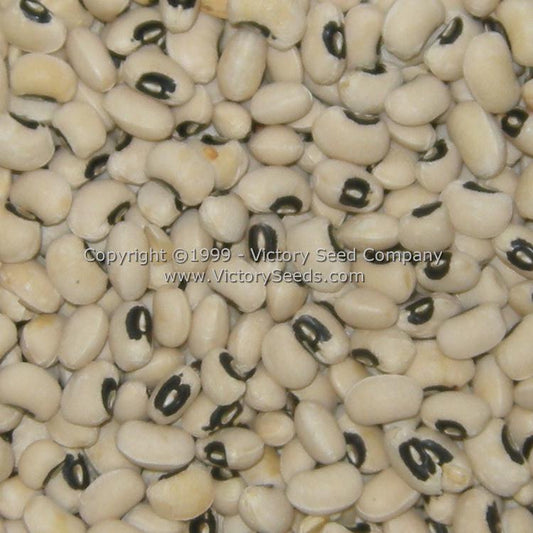
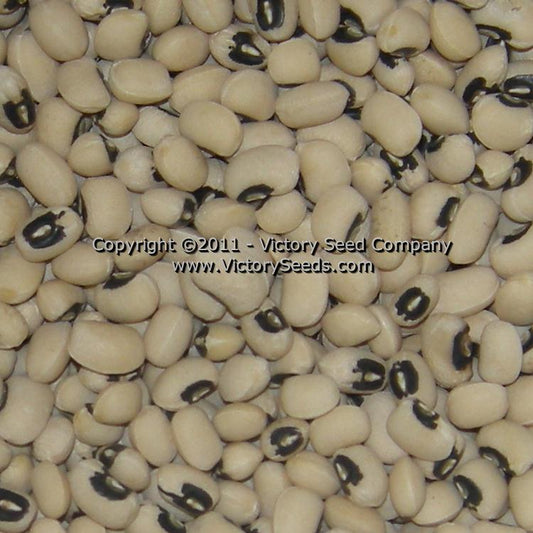
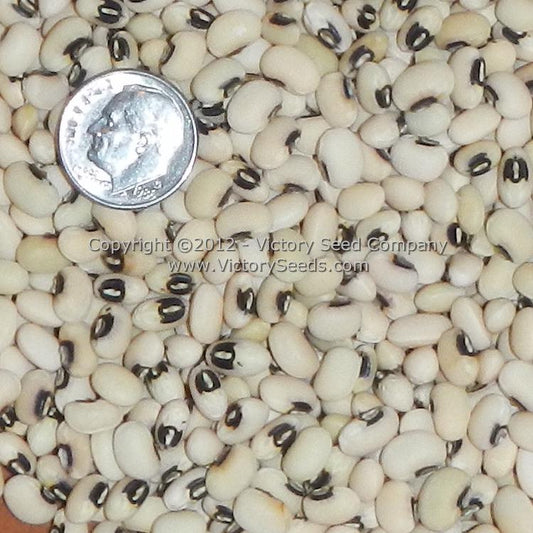
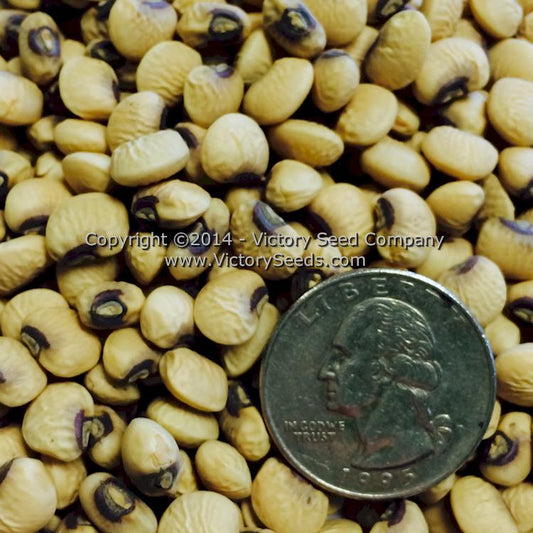
Black-eyed peas - The peas are white or light with dark, black hilums (eyes). Examples: 'California Blackeye #5' and 'California Blackeye #46'.
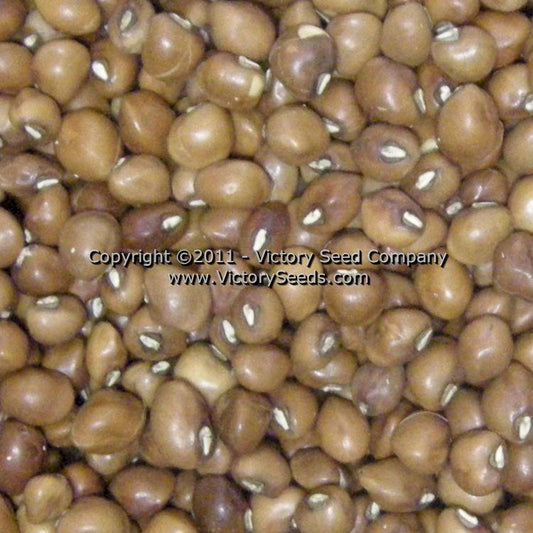
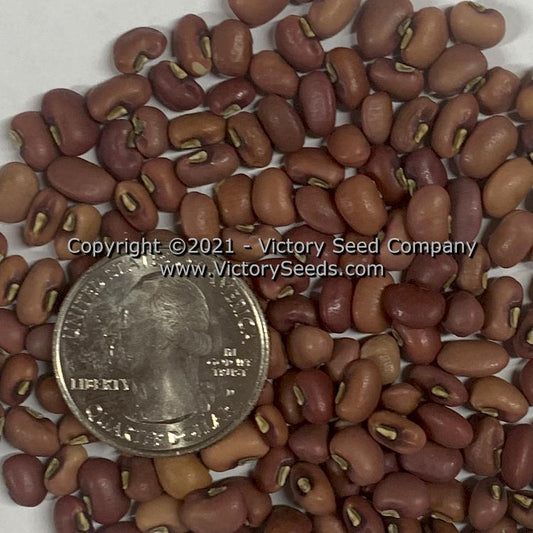
Colored-eyed peas - The peas in this group have eye colors other than black. These are typically brown, tan, or pink. Examples: 'Early Scarlet' and 'Six Week Browneye'.
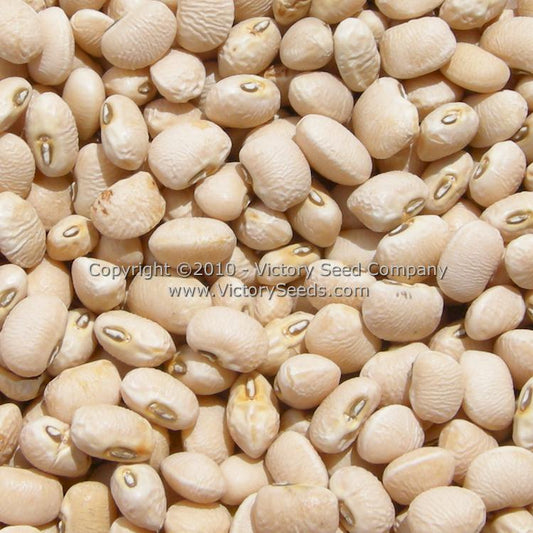
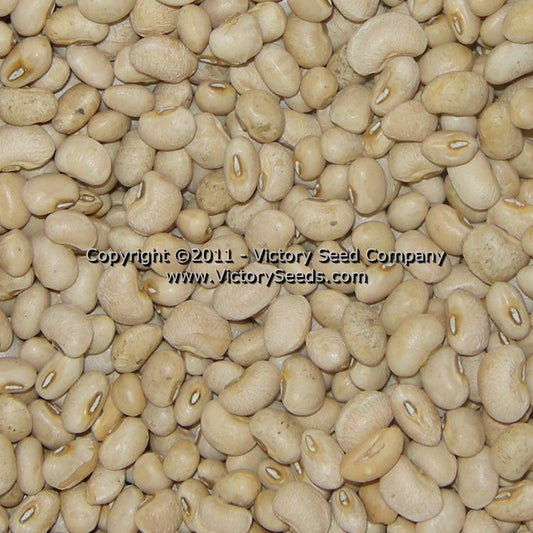
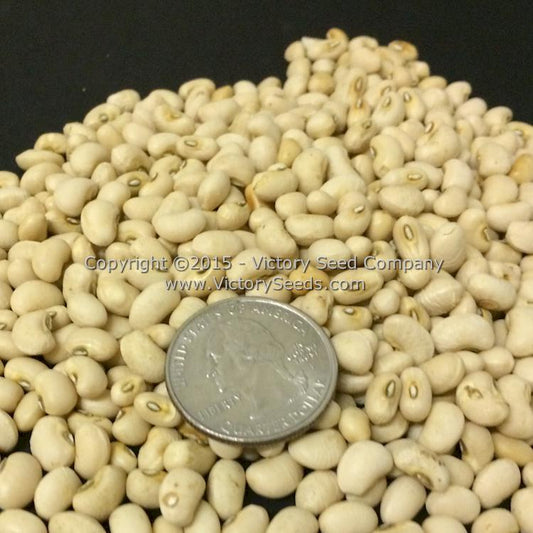
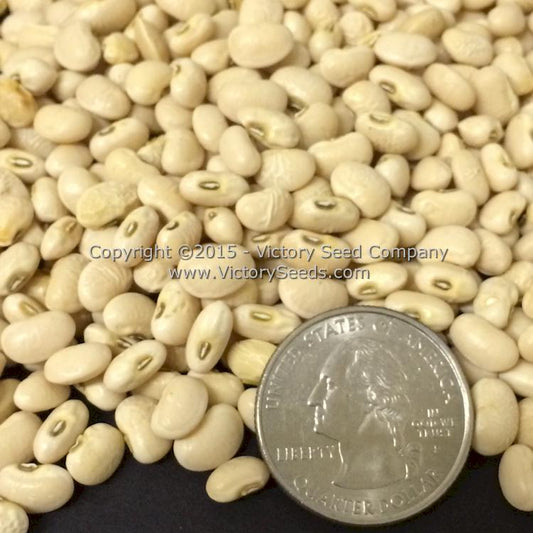
Cream or Conch peas - Generally small plants with light colored peas. Examples: 'Lady', 'Sadandy', 'Cream 8', 'Texas Cream 40', 'White Acre' and 'Zipper Cream'.
Crowder peas - The seeds are crowded into the pods and typically starchy. Example: 'Mississippi Silver'
Field peas - Vigorous, vine-type plants with smaller seeds. Example: 'Red Ripper'.
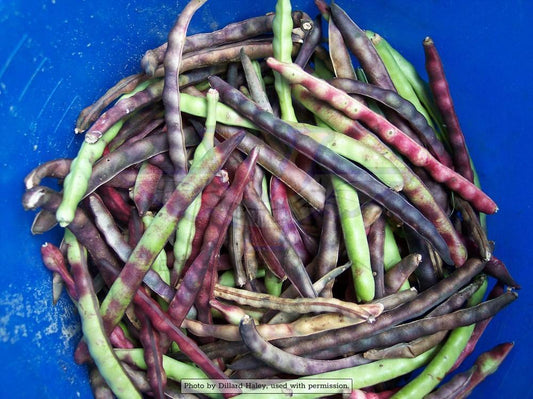
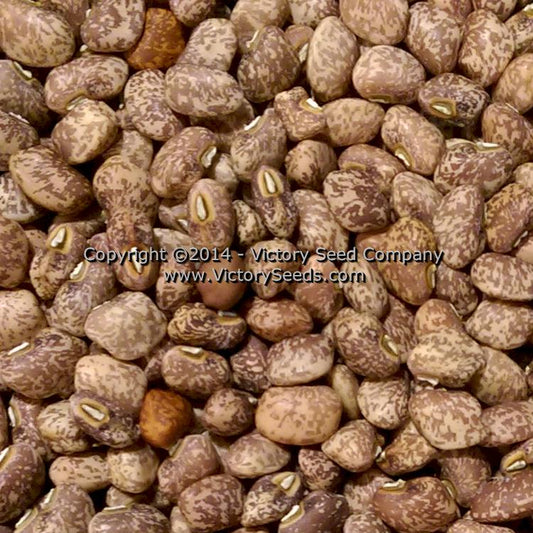
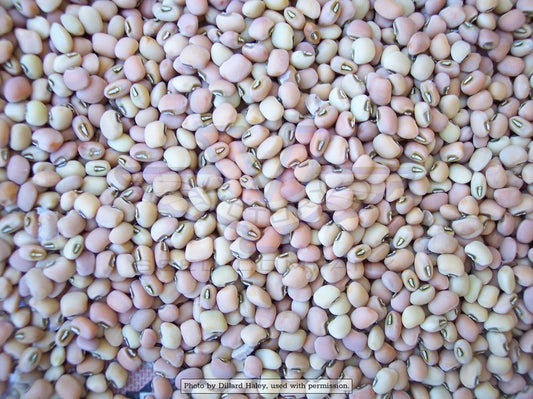
Purplehull (Purple Hull) peas - The pods in this group are either completely purple or exhibit some purple coloring at the tips. Example: 'Big Boy Purplehull', 'CT Pinkeye Purplehull', 'Coronet', 'Early Scarlet', 'Knuckle Purple', 'Mississippi Purple', 'Pinkeye Purple Hull BVR' and 'Quickpick Pinkeye'.
For more information, click here for a PDF document on growing Southern Peas.
Southern Peas can be planted from May to August, as soon as the soil has warmed to about 65ºF. Most varieties are ready to harvest at the green pea stage in about sixty days and at the dry stage in seventy five to one hundred days. Therefore in most areas, Southern Peas really should be planted in May or June.
Plant four to six seeds per foot, 3/4 to 1-1/4 inches deep in rows twenty to thirty-six inches apart. Control weeds early in the season with shallow cultivation. Later the peas will shade out most weeds. Avoid cultivation after the plants begin to bloom. Irrigation is normally not necessary; southern peas are renowned for their ability to grow and produce under harsh conditions. As a legume, they have the ability to fix their own nitrogen from the air so planting in too rich of soil or fertilizing can cause the plants to keep growing (running) and with pod production greatly affected. Southern peas are self-pollinating with insects, as well as wind, being responsible for moving the pollen to achieve fertilization.
There are several types, groups or categories of Southern Peas. These include:
Black-eyed peas - The peas are white or light with dark, black hilums (eyes). Examples: 'California Blackeye #5' and 'California Blackeye #46'.
Colored-eyed peas - The peas in this group have eye colors other than black. These are typically brown, tan, or pink. Examples: 'Early Scarlet' and 'Six Week Browneye'.
Cream or Conch peas - Generally small plants with light colored peas. Examples: 'Lady', 'Sadandy', 'Cream 8', 'Texas Cream 40', 'White Acre' and 'Zipper Cream'.
Crowder peas - The seeds are crowded into the pods and typically starchy. Example: 'Mississippi Silver'
Field peas - Vigorous, vine-type plants with smaller seeds. Example: 'Red Ripper'.
Purplehull (Purple Hull) peas - The pods in this group are either completely purple or exhibit some purple coloring at the tips. Example: 'Big Boy Purplehull', 'CT Pinkeye Purplehull', 'Coronet', 'Early Scarlet', 'Knuckle Purple', 'Mississippi Purple', 'Pinkeye Purple Hull BVR' and 'Quickpick Pinkeye'.
For more information, click here for a PDF document on growing Southern Peas.