
-
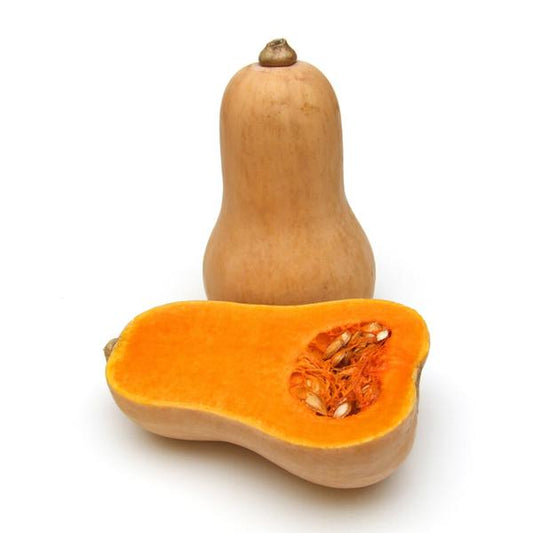
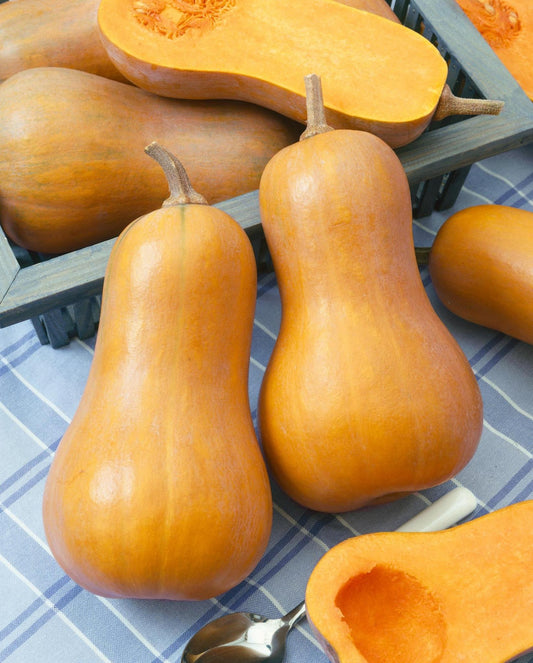
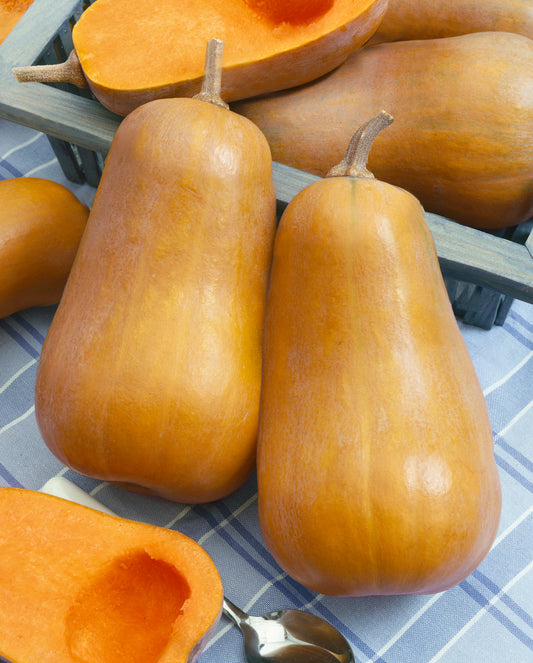
Waltham Butternut Winter Squash
Regular price From $2.95 USDRegular priceUnit price per -
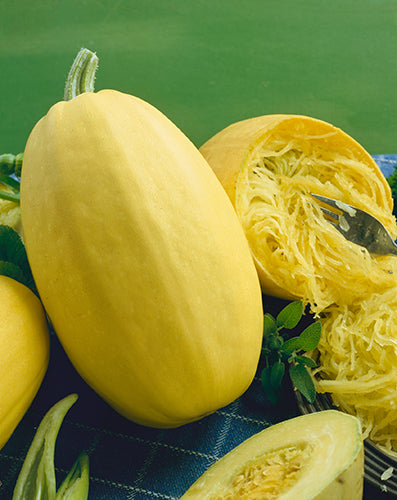
Vegetable Spaghetti Winter Squash
Regular price From $2.95 USDRegular priceUnit price per -
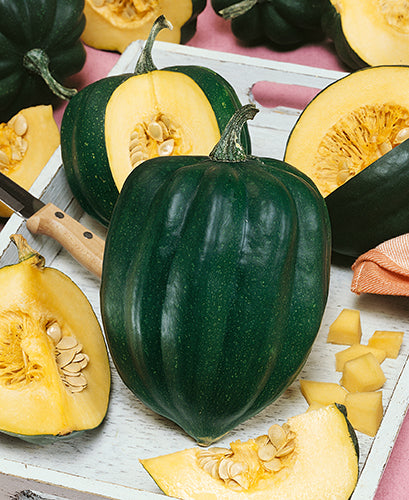
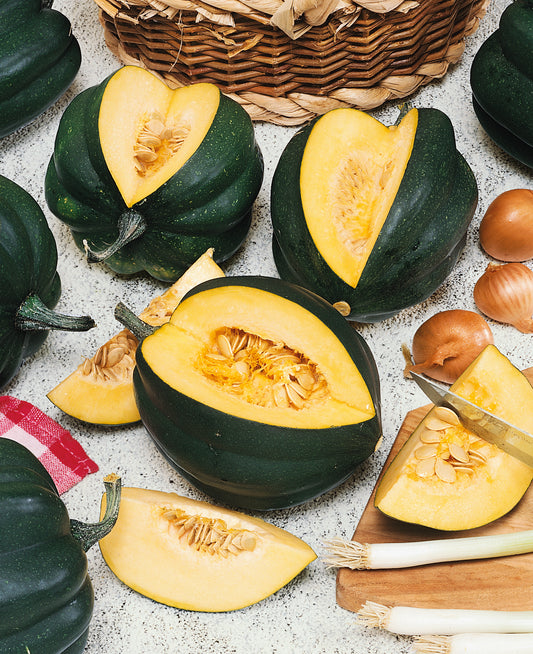
Bush Table King Acorn Winter Squash
Regular price From $2.95 USDRegular priceUnit price per -
 Sold out
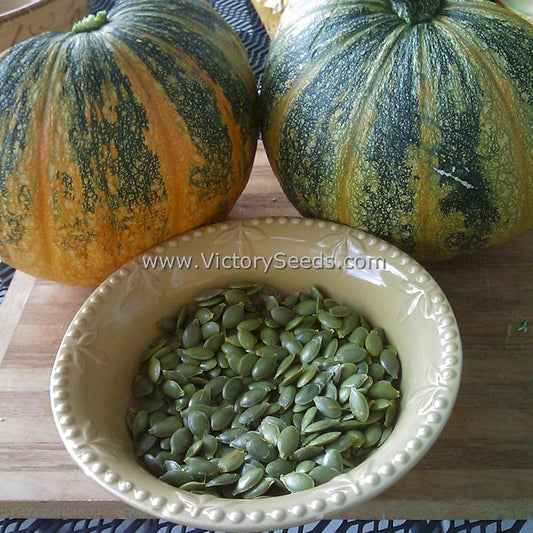
Williams Naked Seeded Pumpkin
Regular price $3.95 USDRegular priceUnit price per -
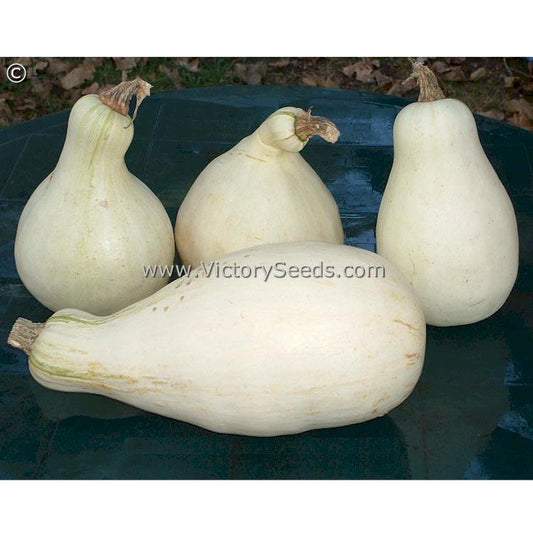
Tatume Summer Squash
Regular price From $2.95 USDRegular priceUnit price per -
Burgess Buttercup Winter Squash
Regular price From $2.95 USDRegular priceUnit price per -
Table Queen Acorn Winter Squash
Regular price From $2.95 USDRegular priceUnit price per -
Delicata Winter Squash
Regular price $2.95 USDRegular priceUnit price per -
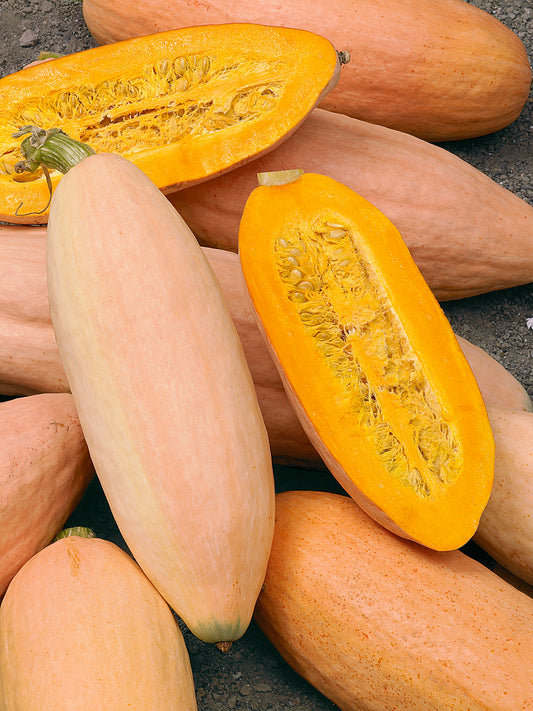
Pink Jumbo Banana - Winter Squash
Regular price From $2.95 USDRegular priceUnit price per -
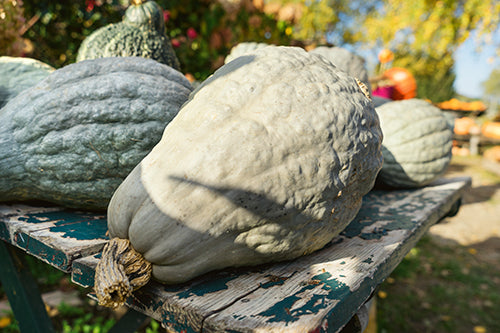
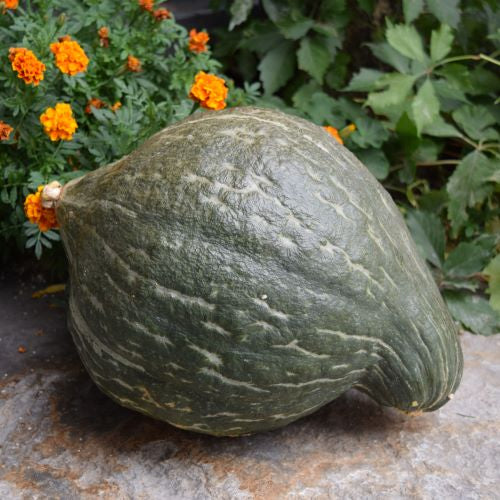
Hubbard, Blue - Winter Squash
Regular price From $2.95 USDRegular priceUnit price per -
Sweet Meat Winter Squash
Regular price From $2.95 USDRegular priceUnit price per -
Tennessee Sweet Potato Pumpkin
Regular price $3.95 USDRegular priceUnit price per -
Boston Marrow Squash
Regular price $3.95 USDRegular priceUnit price per -
Ebony Acorn Squash
Regular price From $2.95 USDRegular priceUnit price per -
Hubbard, Golden - Winter Squash
Regular price From $2.95 USDRegular priceUnit price per -
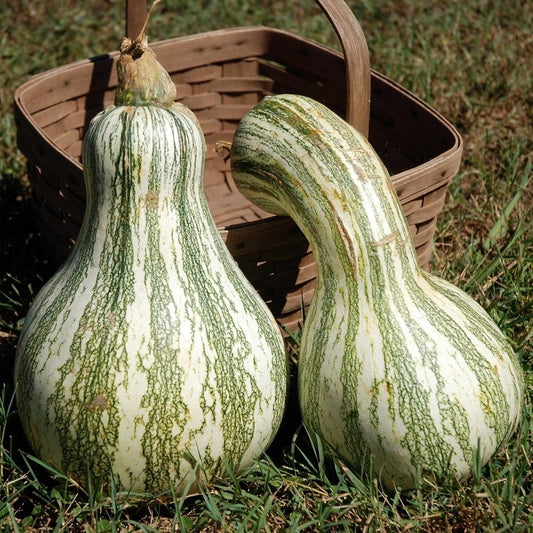
Green Striped Cushaw Squash
Regular price From $2.95 USDRegular priceUnit price per -
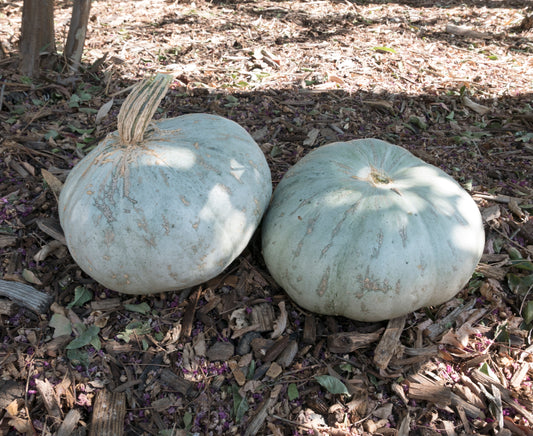
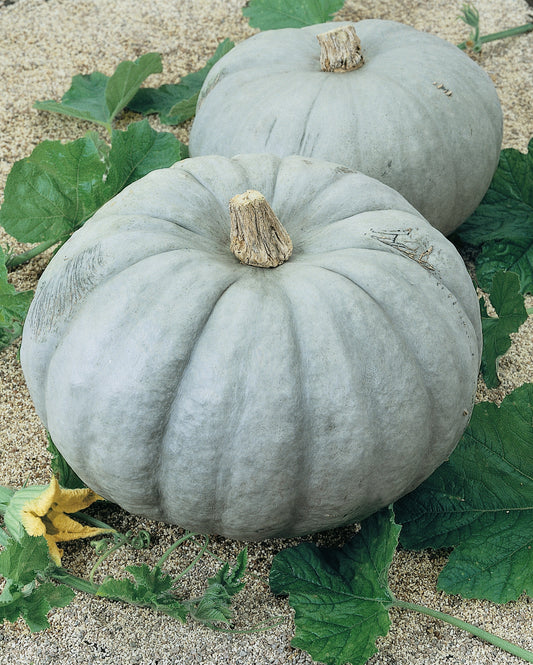
Jarrahdale Winter Squash
Regular price From $2.95 USDRegular priceUnit price per -
Hubbard, True Green Improved - Winter Squash
Regular price From $2.95 USDRegular priceUnit price per -
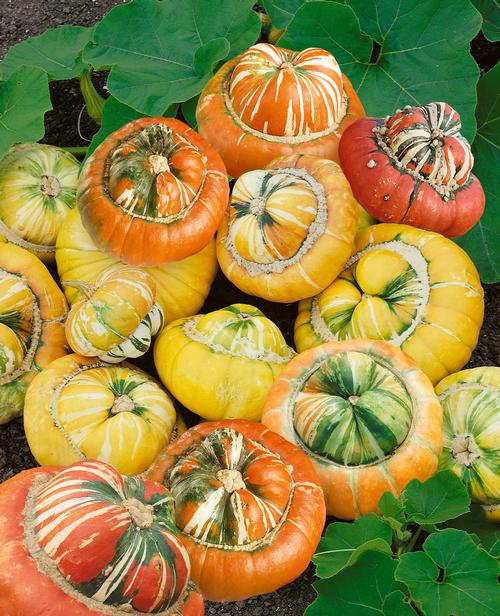
Turk's Turban Squash
Regular price $2.95 USDRegular priceUnit price per -
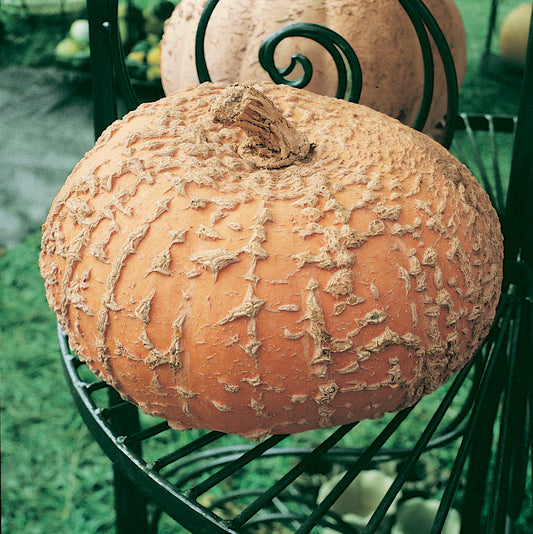
Galeux d' Eysines Winter Squash
Regular price $2.95 USDRegular priceUnit price per -
Honeynut Winter Squash
Regular price $3.95 USDRegular priceUnit price per -
Honeybaby F1 Winter Squash
Regular price $3.95 USDRegular priceUnit price per -
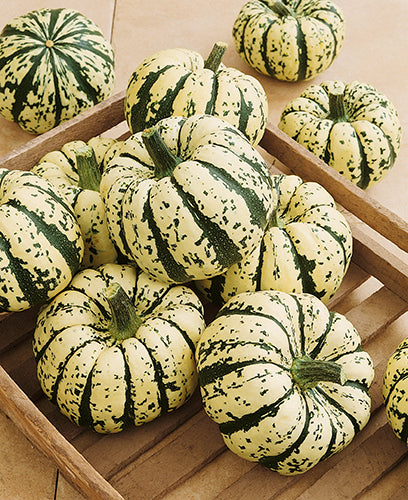
Sweet Dumpling Winter Squash
Regular price From $2.95 USDRegular priceUnit price per -
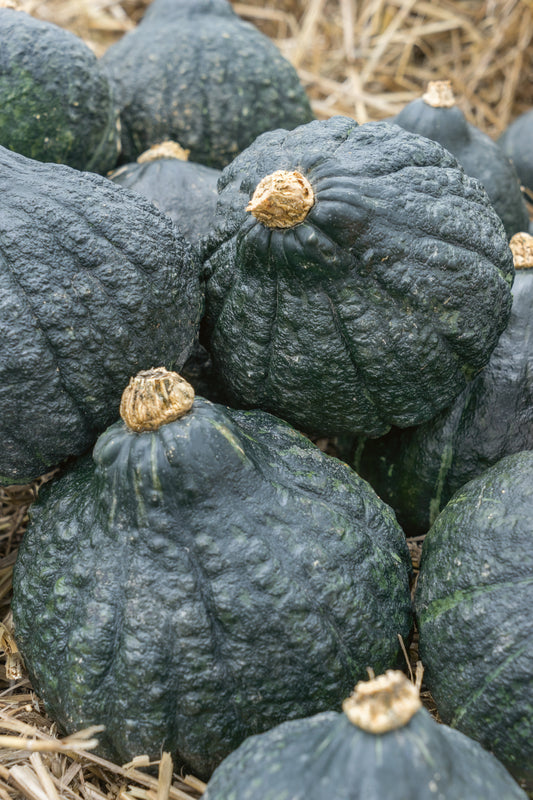
Hubbard, Chicago Warted - Winter Squash
Regular price From $2.95 USDRegular priceUnit price per



Planting, Harvesting and Storing
Choose a location that has warm, well-drained and fertile soil. Work in plenty of well composted organic matter and mulch established plants to conserve moisture, as squash are heavy water consumers. Sow directly into the garden after threat of frost has passed.
Here in the Maritime Northwest, it is common to plant seeds in hills. The hills are created by mounding up the soil about four to six inches high, twenty-four inches across at the base and flattened on the top. This allows the soil to be better warmed by the sun and provides better protection from heavy rain.
Sow five to six seeds, one inch deep, in hills or rows. Spacing is dependent on plant type. Vining varieties should be spaced on six foot centers while bush-types at twenty-four to thirty inches apart. When seeds germinate, cut off all but the strongest three or four seedlings.
When laying out your garden, remember to consider the growing habits of the varieties that you are planting. Some bush-types are compact while some vining types require a tremendous amount of space. Harvest time will also vary by type.
Harvest, Curing and Storage:
It is important to harvest winter squash and pumpkins before they are damaged by the first frost of the fall / winter season.
The first sign that the fruit is ready to harvest will be visible shriveling and drying of the stems and leaves. Additionally, the skin of winter squash varieties will typically be too hard for you to be able to easily dent it with your thumbnail. You should note that most pumpkins will have a tough skin but it may remain a little soft.
Harvest the fruit by cutting them from the vine. Be sure to leave one to three inches of vine connected to the fruit but do not use them as a handle. If the stems are knocked off, it can lead to rot. Also, it is best not to wash the fruits. Simply wipe the dirt off with a dry rag. Before storing, cure the fruit.
Curing is best accomplished by allowing them to remain in the garden as long as possible where cool fall nights increase sugar content and the sunshine cures or hardens the skin. Approximately ten days of these conditions are about perfect. If there is a chance of freezing weather, protect the fruit in a storage building and return to the sunlight the following day.
The storage area should be dark, about 50F (10C), and rather dry (50-65% humidity). Store so that the squash are not touching each other and that there are no other fruit (for example apples, pears, bananas, etc.) in the storage area. Check on them regularly, discard or use as necessary. If you cure the fruit and store them properly, they last well into the winter.
Common storage times are:
Here in the Maritime Northwest, it is common to plant seeds in hills. The hills are created by mounding up the soil about four to six inches high, twenty-four inches across at the base and flattened on the top. This allows the soil to be better warmed by the sun and provides better protection from heavy rain.
Sow five to six seeds, one inch deep, in hills or rows. Spacing is dependent on plant type. Vining varieties should be spaced on six foot centers while bush-types at twenty-four to thirty inches apart. When seeds germinate, cut off all but the strongest three or four seedlings.
When laying out your garden, remember to consider the growing habits of the varieties that you are planting. Some bush-types are compact while some vining types require a tremendous amount of space. Harvest time will also vary by type.
Harvest, Curing and Storage:
It is important to harvest winter squash and pumpkins before they are damaged by the first frost of the fall / winter season.
The first sign that the fruit is ready to harvest will be visible shriveling and drying of the stems and leaves. Additionally, the skin of winter squash varieties will typically be too hard for you to be able to easily dent it with your thumbnail. You should note that most pumpkins will have a tough skin but it may remain a little soft.
Harvest the fruit by cutting them from the vine. Be sure to leave one to three inches of vine connected to the fruit but do not use them as a handle. If the stems are knocked off, it can lead to rot. Also, it is best not to wash the fruits. Simply wipe the dirt off with a dry rag. Before storing, cure the fruit.
Curing is best accomplished by allowing them to remain in the garden as long as possible where cool fall nights increase sugar content and the sunshine cures or hardens the skin. Approximately ten days of these conditions are about perfect. If there is a chance of freezing weather, protect the fruit in a storage building and return to the sunlight the following day.
The storage area should be dark, about 50F (10C), and rather dry (50-65% humidity). Store so that the squash are not touching each other and that there are no other fruit (for example apples, pears, bananas, etc.) in the storage area. Check on them regularly, discard or use as necessary. If you cure the fruit and store them properly, they last well into the winter.
Common storage times are:
| Acorn, Delicata | Two months |
| Spaghetti, Buttercup, Turban-types | Three to four months |
| Butternut, Hubbard | Four to six months |