
-
All The Year Round Butterhead Lettuce
Regular price From $2.95 USDRegular priceUnit price per -
Buttercrunch Bibb Lettuce
Regular price From $2.95 USDRegular priceUnit price per -
Cimmaron Romaine Lettuce
Regular price From $2.95 USDRegular priceUnit price per -
Little Gem Cos Lettuce
Regular price From $2.95 USDRegular priceUnit price per -
Parris Island Cos Romaine Lettuce
Regular price From $2.95 USDRegular priceUnit price per -
Salad Bowl, Green - Leaf Lettuce
Regular price From $2.95 USDRegular priceUnit price per -
Black Seeded Simpson Leaf Lettuce
Regular price From $2.95 USDRegular priceUnit price per -
Merveille de Quatre Saisons Bibb Lettuce (Marvel of Four Seasons)
Regular price From $2.95 USDRegular priceUnit price per -
Lollo Rosso Leaf Lettuce
Regular price From $2.95 USDRegular priceUnit price per -
Winter Density Bibb-Romaine Lettuce
Regular price From $2.95 USDRegular priceUnit price per -
Ruby Leaf Lettuce
Regular price From $2.95 USDRegular priceUnit price per -
Bronze Mignonette Butterhead Lettuce
Regular price From $2.95 USDRegular priceUnit price per -
Red Romaine Lettuce
Regular price From $2.95 USDRegular priceUnit price per -
Iceberg Head Lettuce
Regular price From $2.95 USDRegular priceUnit price per -
Waldmann's Green Leaf Lettuce
Regular price From $2.95 USDRegular priceUnit price per -
Great Lakes 659 Head Lettuce
Regular price From $2.95 USDRegular priceUnit price per -
Green Ice Leaf Lettuce
Regular price From $2.95 USDRegular priceUnit price per -
Hanson Improved Head Lettuce
Regular price From $2.95 USDRegular priceUnit price per -
Oak Leaf Lettuce
Regular price From $2.95 USDRegular priceUnit price per -
Tom Thumb Butterhead Lettuce
Regular price From $2.95 USDRegular priceUnit price per -
 Sold out
Rouge d'Hiver Romaine Lettuce
Regular price $2.95 USDRegular priceUnit price per -
Prizehead Leaf Lettuce
Regular price From $2.95 USDRegular priceUnit price per -
Kagraner Sommer Butterhead Lettuce
Regular price From $2.95 USDRegular priceUnit price per -
 Sold out
Great Lakes 118 Head Lettuce
Regular price $2.95 USDRegular priceUnit price per
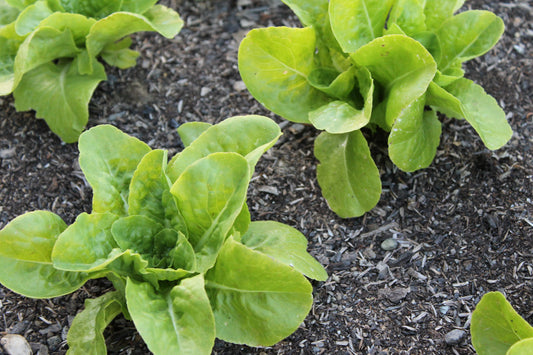
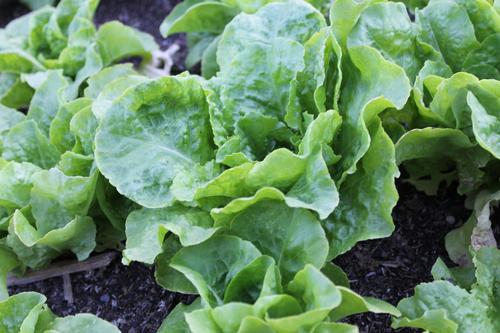

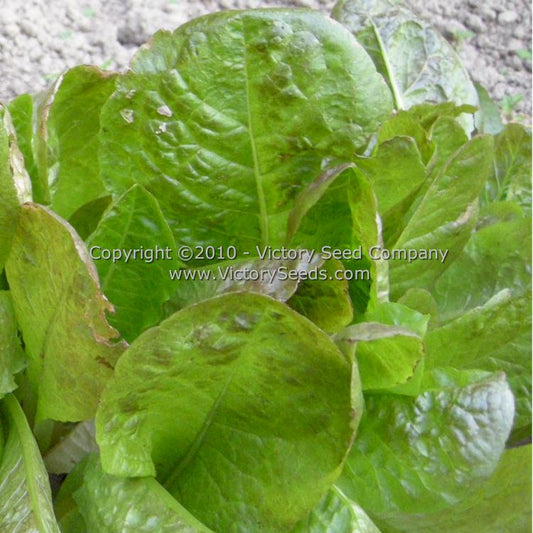
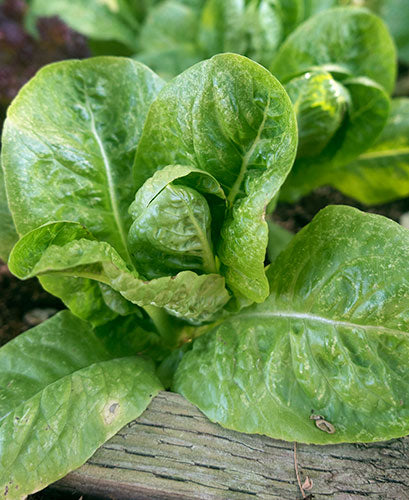
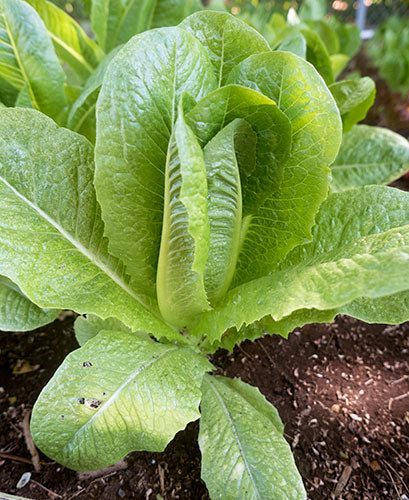
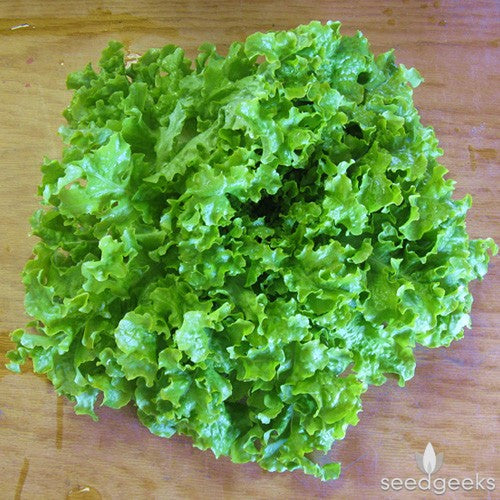
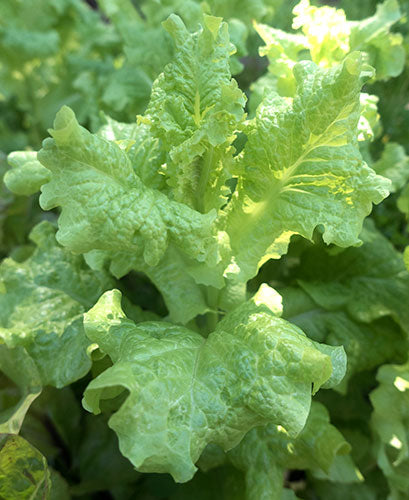
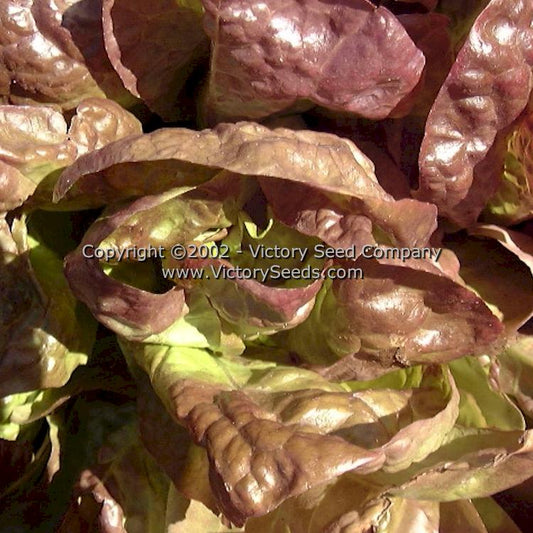
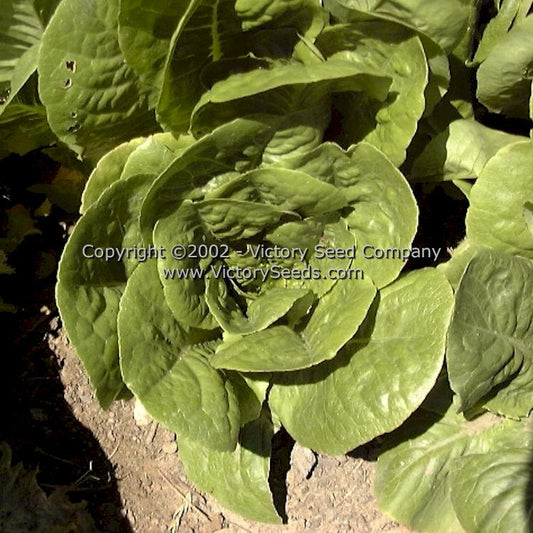
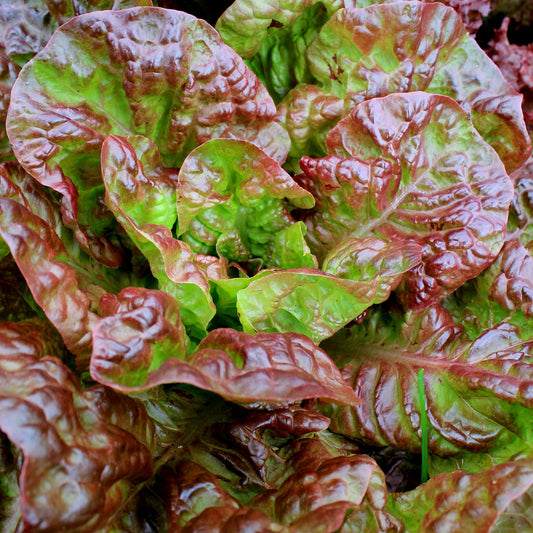
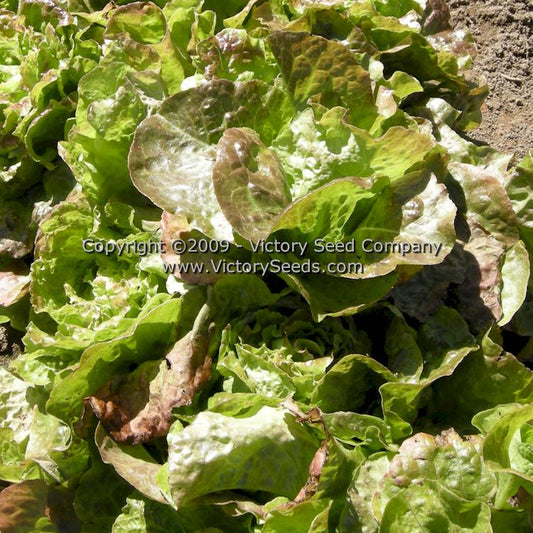
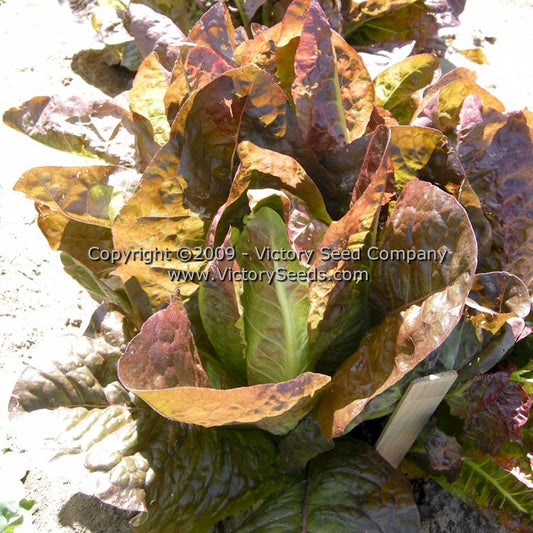
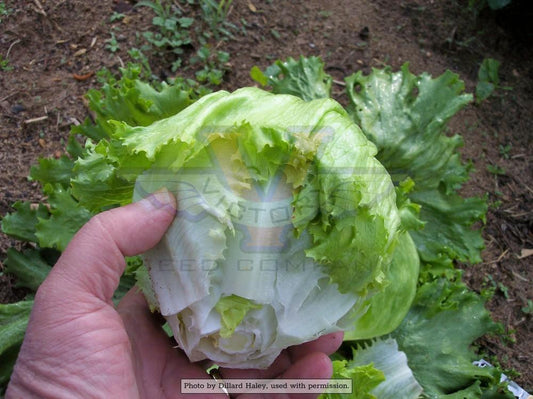
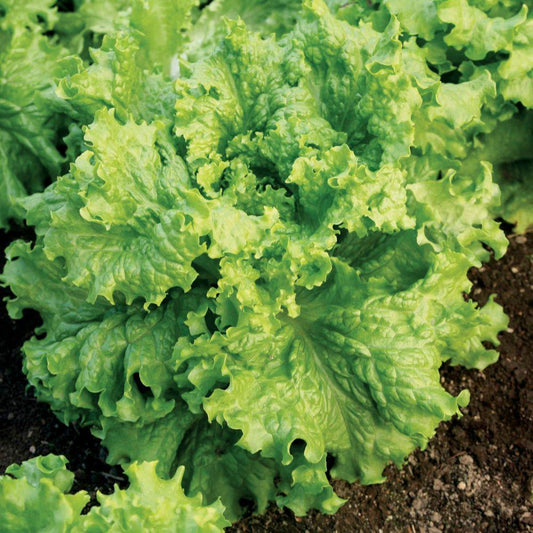
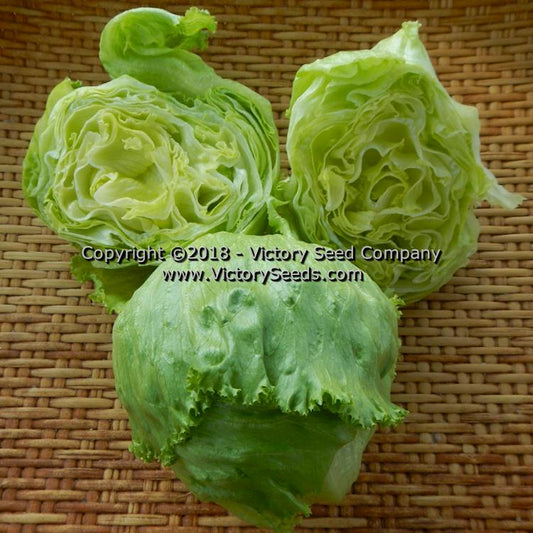
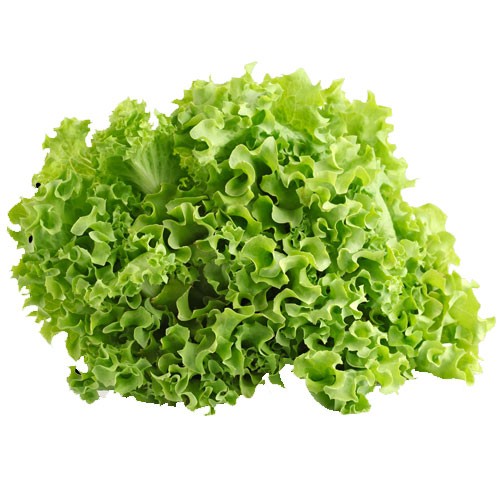
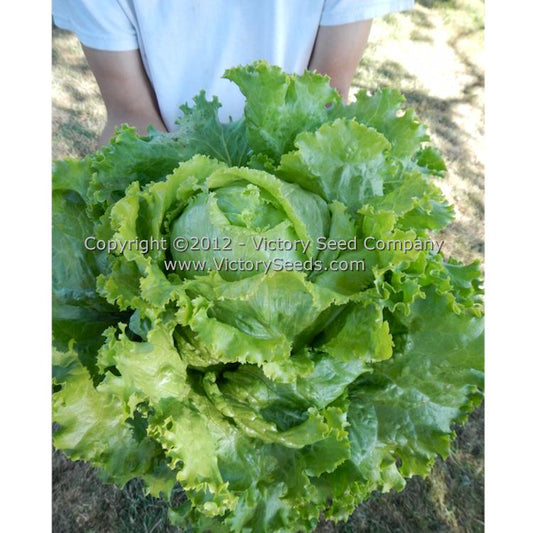
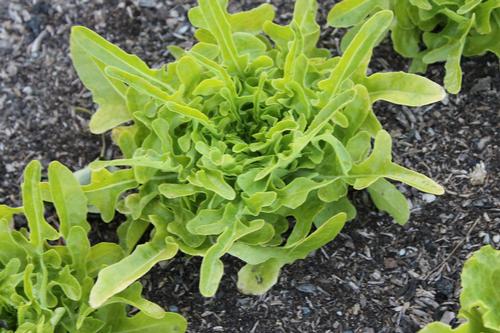
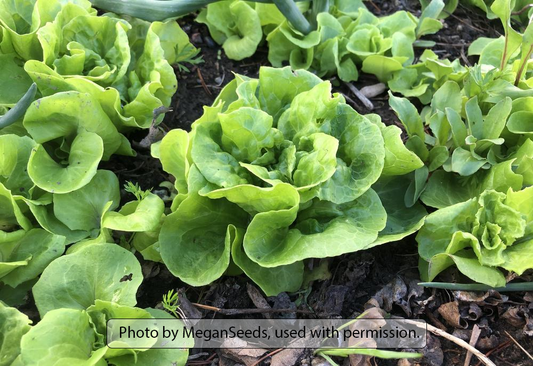

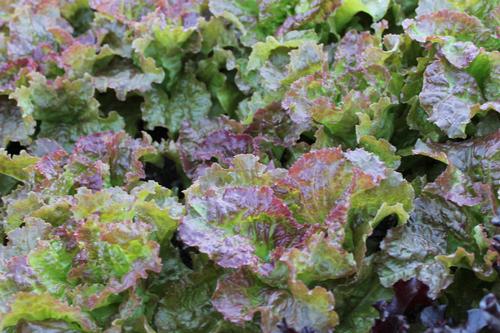
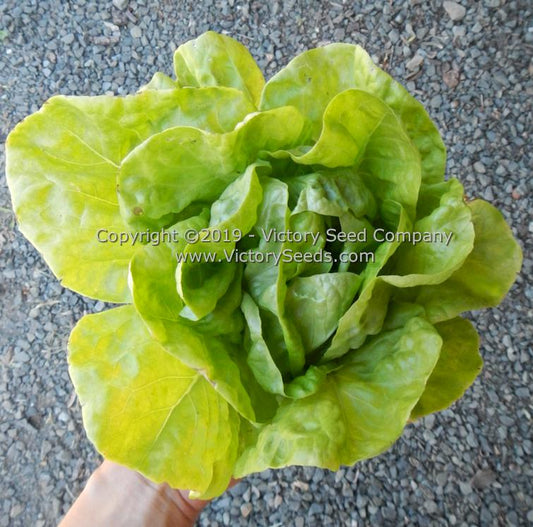

Lettuce germinates in seven to fourteen days at soil temperature between 60 and 70ºF. When the plants are a few inches tall and you have prepared the soil in your garden, transplant spacing them four to six inches apart. Keep them watered until the plants are established. At about six inches tall, thin them to a final spacing of ten to twelve inches. Control weeds by mulching or periodic cultivation and fertilize as needed during the growing cycle with Nitrogen rich natural fertilizer like kelp meal and/or fish emulsion.
This step of thinning is especially critical for heading varieties of lettuce. If you don't space them properly, you will still have lettuce to eat, but the pressure from crowding the plants will create a competition for water and nutrients and they will likely not head. One of the most common "least favorite" gardening tasks folks have (myself included) is thinning. It feels like you are wasting seeds, time and killing poor little plants. But think of it as a required part of growing healthy lettuce. Plus as a reward for doing the thinning step, the plants you remove will give you an early season salad. I guess you can think of it as an early season harvest.
The other error that people make in planting their lettuce, especially heading varieties is their timing. It is critical that you time your sowings and your harvests. Sow early, transplant early and plan to harvest your crop before the summer heat comes. Heat is an enemy of lettuce as it is another stress that will cause the plants to bolt. Heading varieties are not forgiving like many other garden vegetables. As a matter of fact, at temperatures in the 70 to 80ºF range, head lettuce varieties will skip the heading stage and bolt (flower and go to seed). Again, plan your lettuce planting. The optimal temperature range for growth is 60 to 65ºF.
For continued salad makings during the summer months, do succession plants of slower bolting leaf lettuce varieties, as well as other leafy greens, and in mid to late summer, you can replicate your early spring process and grow another crop of head lettuce as the temperatures start to cool down in the fall.
In addition to the lettuce varieties on this page, here are other greens that you might be interested in adding to your tossed salad:
• If you are growing leaf-type lettuce varieties for salads and not worried about saving seeds, you can succession plant densely in beds or wide rows and begin cutting tender leaves, using scissors, when they reach about four inches.
• No matter what variety, always harvest lettuce before the leaves begin to elongate and the plants prepare to bolt (produce flower heads). Lettuce will become bitter at that stage.
• Like most vegetables, harvest in the cool of the morning for the best produce. It will be at its peak of crispness.
This step of thinning is especially critical for heading varieties of lettuce. If you don't space them properly, you will still have lettuce to eat, but the pressure from crowding the plants will create a competition for water and nutrients and they will likely not head. One of the most common "least favorite" gardening tasks folks have (myself included) is thinning. It feels like you are wasting seeds, time and killing poor little plants. But think of it as a required part of growing healthy lettuce. Plus as a reward for doing the thinning step, the plants you remove will give you an early season salad. I guess you can think of it as an early season harvest.
The other error that people make in planting their lettuce, especially heading varieties is their timing. It is critical that you time your sowings and your harvests. Sow early, transplant early and plan to harvest your crop before the summer heat comes. Heat is an enemy of lettuce as it is another stress that will cause the plants to bolt. Heading varieties are not forgiving like many other garden vegetables. As a matter of fact, at temperatures in the 70 to 80ºF range, head lettuce varieties will skip the heading stage and bolt (flower and go to seed). Again, plan your lettuce planting. The optimal temperature range for growth is 60 to 65ºF.
For continued salad makings during the summer months, do succession plants of slower bolting leaf lettuce varieties, as well as other leafy greens, and in mid to late summer, you can replicate your early spring process and grow another crop of head lettuce as the temperatures start to cool down in the fall.
In addition to the lettuce varieties on this page, here are other greens that you might be interested in adding to your tossed salad:
[ Cress ] [ Spinach ] [ New Zealand Spinach ]
[ Endive / Escarole ] [ Fennel ] [ Parsley ] [ Basil ]
Harvest Tips:[ Endive / Escarole ] [ Fennel ] [ Parsley ] [ Basil ]
• If you are growing leaf-type lettuce varieties for salads and not worried about saving seeds, you can succession plant densely in beds or wide rows and begin cutting tender leaves, using scissors, when they reach about four inches.
• No matter what variety, always harvest lettuce before the leaves begin to elongate and the plants prepare to bolt (produce flower heads). Lettuce will become bitter at that stage.
• Like most vegetables, harvest in the cool of the morning for the best produce. It will be at its peak of crispness.